

Posted by Zosi Team

In food production, risks are everywhere. As discussed in our prior article, a risk mitigation mindset helps reduce risks by enabling teams to proactively identify issues before they become problems. But what about the risks outside of your doors?
The global food supply chain can introduce threats, including biological, chemical, and physical ingredients, that can put your customers and your brand at risk. You can help reduce those risks with a mitigation mindset similar to one used inside your facility. It all starts with two steps – building resiliency and assessing your risks.
Building resiliency is all about acknowledging and accepting that risks and threats exist and taking the right measures to mitigate their effects. There are two types of resiliency to create and manage.
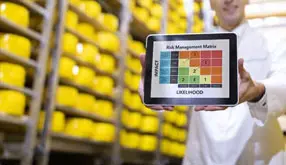
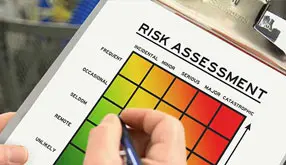
Find your weakest links by conducting an annual supplier risk assessment. This step helps identify suppliers that need the most scrutiny due to their higher threat level. There are three critical steps in this process.
Once you have the complete picture of external supplier risks, follow these four best risk mitigation practices:
Socialize the Highest Risks
If you manage hundreds of suppliers, it’s unrealistic to communicate updates on each one. Instead, look at your assessment results and share the ones with the highest risk to your leadership and cross-functional teams. This will help reinforce the risk mitigation mindset and allow a variety of teams to offer solutions.
Enable Internal Teams to Address Leading Indicators
Create a list of leading indicators, like a non-compliant product or unsanitary delivery truck, and empower each team to respond for a cohesive approach to managing supplier risks.
Involve Cross-Functional Teams
It takes a team to develop a risk mitigation mindset in your organization. With their help, you will know if suppliers are meeting expectations through COA compliance, product quality, or various related variables.
Build and Maintain Supplier Trust
Maintaining trust with your supplier is vital. They should inform you of production delays, ingredient shortages, changes to key contacts, or any other critical factors that impact your business. You should be able to trust them to tell you when something goes wrong.
Following these best practices will help support your food safety culture and risk mitigation mindset for a healthy food safety program.
For additional training, see our SQF Risk Management Course Collection. Each course dives deep into the top areas of risk to help you understand the variables at play and how to best navigate those in your facility.
Insider Insights is a wealth of expertise accrued over years of firsthand experience and consulting in the industry. We offer a bevy of information—from training enrichment to better prepare a new career in workplace safety to ideas for implementing solutions that will strengthen your knowledge and work performance. Gain understanding on how to apply workplace safety best practices to your entire organization.


 Risk Assessment Course
 SQF Practitioner – Risk Management: Full Course Collection
 SQF Implementing: Risk Assessment