
Insider Insights - Blog | Zosi Learning

Trending Topics
HACCPFood DefenseKosherEMPLeadershipInternal AuditingSQFPCQIMastering Your HACCP Food Safety Plan

Imagine becoming the expert everyone turns to when food safety questions arise. Mastering how to write a HACCP plan positions you as a crucial resource within your organization, boosting your credibility and professional value. With increasing attention on foodborne illnesses, strong HACCP knowledge ensures you not only protect consumers but enhance your brand’s reputation. Every […]
Read MoreUnderstanding HACCP: What Does HACCP Stand For, and Why Is It Important?

From harvest to consumption, HACCP provides a robust and effective system for reducing the risk of foodborne illness and monitoring the total food system. HACCP stands for Hazard Analysis Critical Control Points is a systematic approach to the identification of hazards, assessments of risk and controls. The concept of HACCP originated in the 1960’s around […]
Read MoreSeven Principles to Building a Successful HACCP Program

Hazard Analysis and Critical Control Points (HACCP) plans are the backbone of any food safety program. They prioritize and control potential hazards in food production for the entire food supply chain.
Read MoreSubscribe to
Insider Insights

How to Meet Regulatory Requirements for HACCP

HACCP plans are the backbone of your food safety system. Built from the seven HACCP principles, these plans are mandated by regulatory bodies for the meat industry, the juice industry, and the seafood industry.
Read MoreHACCP vs HARPC: What’s the Difference?
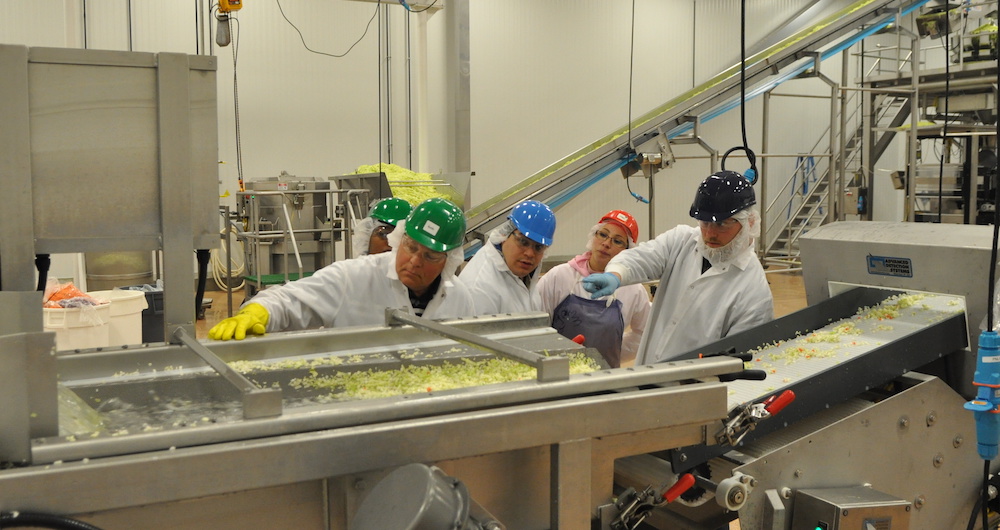
Confused about the difference between HACCP and HARPC? You’re not alone. Both stem from the Food Safety Modernization Act (FSMA), a robust food safety legislation act enacted in 2011. The ultimate goal of each is to proactively identify food safety problems in your facility and correct for each. HACCP and HARPC are often used interchangeably, […]
Read MorePrerequisite Program Examples for Your HACCP System
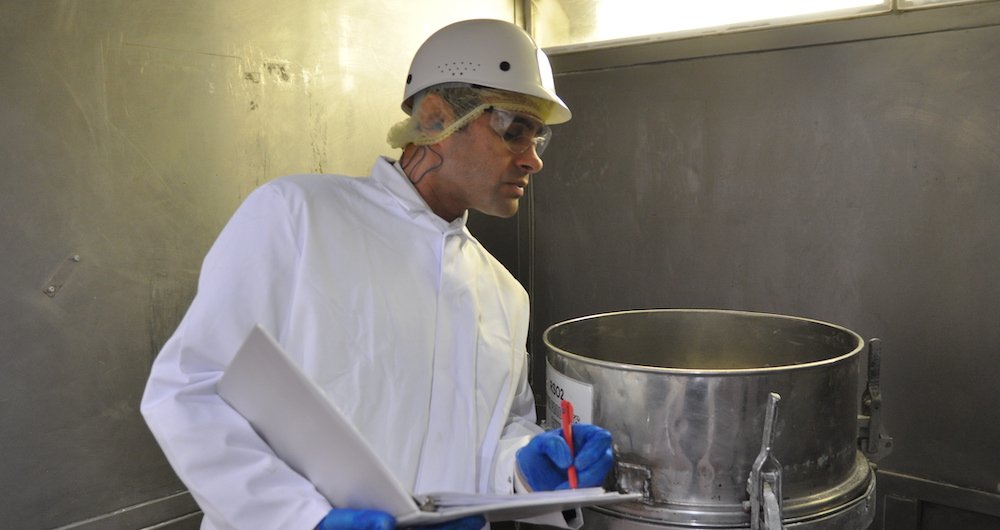
Prerequisite programs, or PRPs, are essential to the development of effective HACCP systems. In theory, PRP’s act as the foundation of this system – the stronger a facility’s foundation, the stronger its food safety plan. Thus, PRPs provide the basic environmental and operating conditions necessary to produce safe and wholesome food. The key is that […]
Read MoreHow Do I Become an SQF Practitioner?
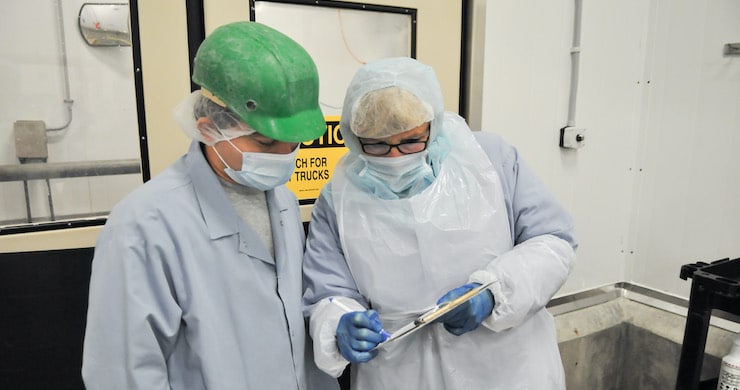
Under the Safe Quality Food (SQF) Code, every SQF-certified company must appoint an SQF Practitioner. Your company designated you their SQF Practitioner. But what does an SQF Practitioner do, and what are the requirements for becoming an SQF Practitioner?
Read MoreHow to Meet HACCP Requirements for SQF

The Safe Quality Food Institute’s (SQFI) new code further bonds your SQF certification with Hazard Analysis Critical Control Points (HACCP) compliance. Does your team fully understand Edition 9 requirements?
Read MoreHow to Perform Effective Internal Audits

The best preparation for an external audit is perfecting your internal audit processes. While each facility’s procedures will be unique to its operation and products, you can apply the following internal audit process best practices to perform and evaluate effective assessments in your facility.
Read MoreYour Guide to the Seven HACCP Principles
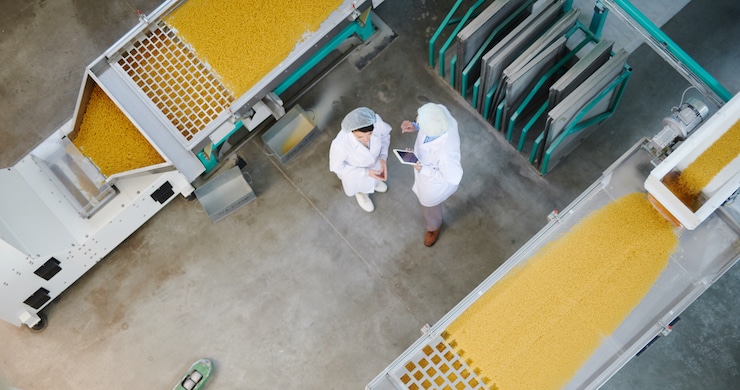
What is HACCP and where did it come from? HACCP, which stands for Hazard Analysis and Critical Control Point is a system that prioritizes and controls potential hazards in food production and its supply chain, arose around the 1960s.
Read MoreTaking Control of Your HACCP System
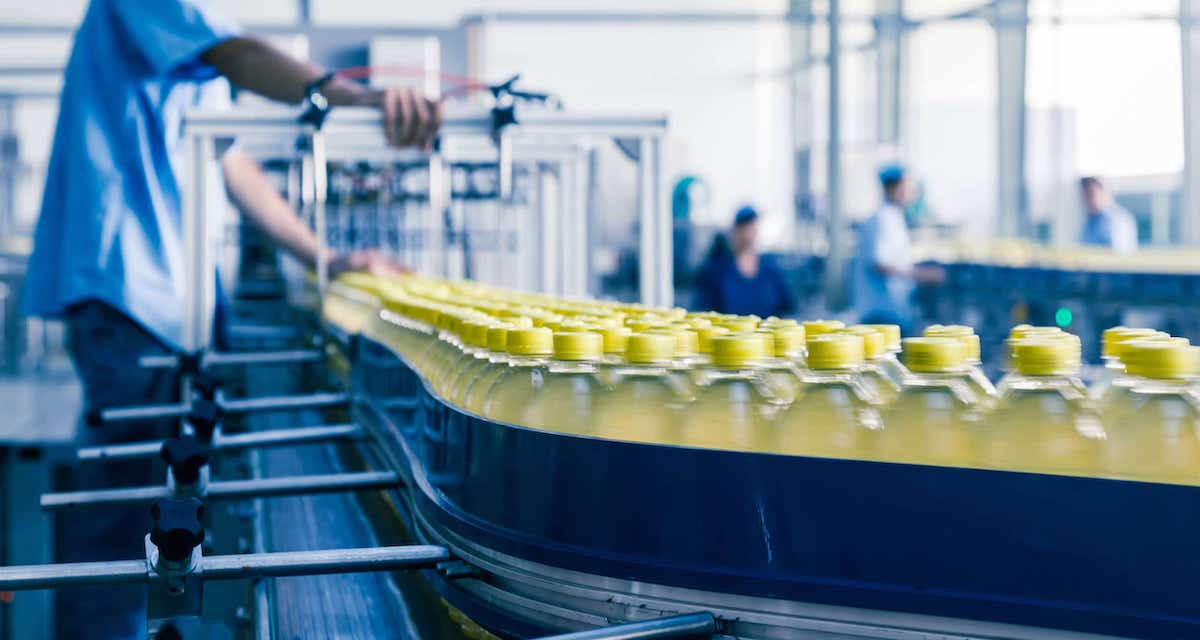
Implementing a HACCP System requires that both Prerequisite Programs and HACCP Plans are implemented. Prerequisite programs are programs that are put in place in the facility to control hazards in the environment, preventing contamination of the product.
Read More