

Zosi Learning Blog
Trending Topics
HACCPFood DefenseKosherEMPLeadershipInternal AuditingSQFPCQIMastering Your HACCP Food Safety Plan

Imagine becoming the expert everyone turns to when food safety questions arise. Mastering how to write a HACCP plan positions you as a crucial resource within your organization, boosting your credibility and professional value. With increasing attention on foodborne illnesses, strong HACCP knowledge ensures you not only protect consumers but enhance your brand’s reputation. Every […]
Read MoreStart Defending Your Food System Today with Food Defense Training

Protecting your food operation from intentional harm isn’t optional—it’s essential. With increasing threats from food tampering, sabotage, and agroterrorism, every facility needs a well-defined plan to detect, deter, and defend against these risks. That’s why Zosi Learning’s Food Defense Courses were designed to give you more than just theory, they give you the practical tools […]
Read MoreEnhancing Internal Audits: Strategies to Eliminate Bias and Strengthen Your Audit Team

Internal audits are essential for maintaining robust food safety management systems, ensuring compliance, and fostering continuous improvement. However, bias in the audit process and a lack of diversity in audit teams can undermine the effectiveness of audits, leaving critical risks unaddressed. To eliminate bias in internal audits and build strong, cross-functional audit teams, organizations must […]
Read MoreSubscribe to
Insider Insights

Mastering the Art of Writing Detailed Non-Conformances for Effective Audits

Clear and detailed non-conformance reporting is the cornerstone of effective internal audits. Without precise documentation, organizations risk misdiagnosing root causes, delaying corrective and preventive actions, and overlooking systemic issues that could escalate into significant non-compliance. By mastering best practices for resolving non-conformances, businesses can not only meet ISO non-conformance guidelines but also ensure long-term operational […]
Read MoreUnderstanding the Role of the Food Defense Qualified Individual (FDQI) Under FSMA
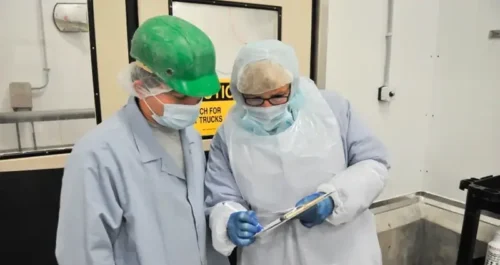
The Food Safety Modernization Act (FSMA) includes the Intentional Adulteration (IA) Rule, which emphasizes the importance of a Food Defense Qualified Individual (FDQI) in protecting the food supply chain from intentional contamination. Unlike Preventive Controls Qualified Individuals (PCQI), FDQIs focus on threats related to intentional adulteration, a unique and vital aspect of food defense. Maintaining […]
Read MoreCreating a Network of Food Defense Partners: A Guide for Manufacturers

In today’s complex food supply chain, ensuring food defense is critical not only to protect public health but also to uphold your company’s reputation and integrity. While robust internal processes form the foundation of any effective food defense program, establishing strong external relationships is equally vital. These partnerships can enhance your preparedness and response during […]
Read More4 Keys to Building an Effective Internal Audit Team

Building an effective internal audit team is crucial for ensuring compliance, enhancing operational efficiency, and fostering continuous improvement within an organization. A well-trained audit team supports internal audit team training by not only identifying areas of non-compliance but also providing valuable insights for process optimization and driving operational excellence. This article outlines a structured approach […]
Read MoreBuilding a Strong Food Defense Culture
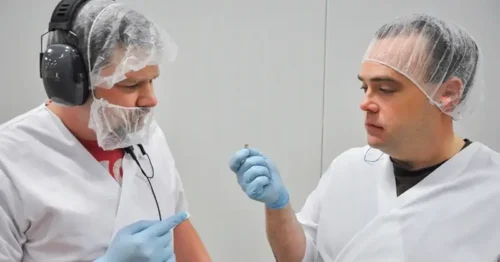
In today’s complex food production landscape, protecting the food supply from intentional adulteration has become a top priority. A strong food defense culture is vital for ensuring this protection—a culture that engages every individual within the facility to recognize vulnerabilities and act decisively when risks emerge. Food defense cannot rest solely on the shoulders of […]
Read MoreUnderstanding HACCP: What Does HACCP Stand For, and Why Is It Important?

From harvest to consumption, HACCP provides a robust and effective system for reducing the risk of foodborne illness and monitoring the total food system. HACCP stands for Hazard Analysis Critical Control Points is a systematic approach to the identification of hazards, assessments of risk and controls. The concept of HACCP originated in the 1960’s around […]
Read MoreMind Your Ps & Qs: The Synergy Between PCQIs and Quality Assurance

The role of quality assurance (QA) in food manufacturing — to ensure that all products meet the standards of safety, quality, and consistency — requires an understanding of food science-related topics (microbiology, chemistry, engineering), as well as the ability to analyze data and statistics. In addition to these technical skills, QA teams should also be […]
Read More7 Ways to Prevent Foreign Material in Food
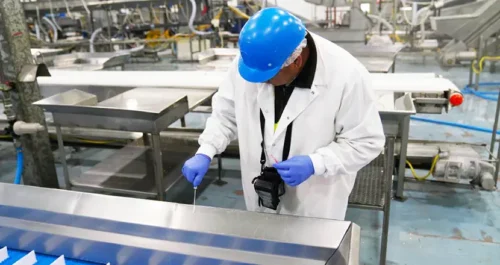
Perform Thorough Risk Assessments Preventing foreign material in your production begins with robust risk assessments of your delivery and storage areas, production lines, building and facility perimeter. Don’t rush and be sure to pay attention to the details. Potential risks include loose floor aggregate, caulking in the ceiling or wall panels, overhead lights, nuts, bolts […]
Read More3 Reasons Why Zosi Learning is the Best Place to Earn Your Better Process Control School Certification

In the dynamic landscape of food processing, ensuring the highest quality and standards is a non-negotiable. As the demand for top-notch control and management processes continues to rise, selecting the right Better Process Control School (BPCS) training becomes paramount. In this blog post, we will uncover 3 reasons why Zosi Learning is the best place […]
Read MoreInternal Auditing: 5 Tips for Building Your Best Internal Audit Team
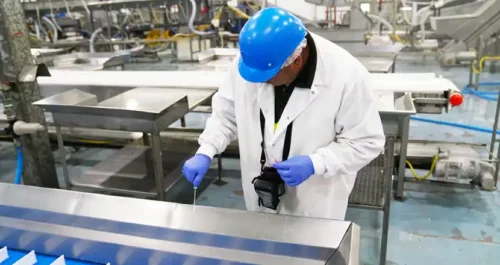
Effective internal audits should never be conducted by a single individual. Instead, your facility must assemble a multi-disciplinary team of at least two or more individuals to conduct robust internal audits. The size of the internal audit team always depends on the size of the operation. Team members must possess foundational internal audit training. This […]
Read MoreWhat you need to know before becoming a PCQI

Are you thinking about becoming a PCQI? Does someone on your team to need to take PCQI training? Meet our lead instructor, Jeff Chilton, as he discusses what makes a PCQI successful, the key knowledge a PCQI needs and how he thinks training should be approached. Intertek Alchemy is excited to share that Jeff Chilton, VP […]
Read MoreMitigate Supply Chain Risks with These Two Steps
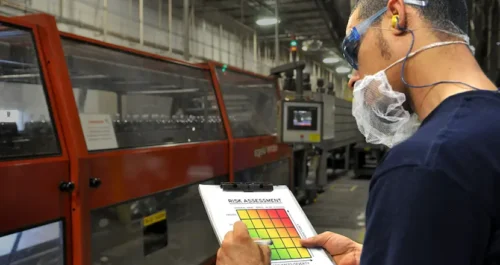
In food production, risks are everywhere. As discussed in our prior article, a risk mitigation mindset helps reduce risks by enabling teams to proactively identify issues before they become problems. But what about the risks outside of your doors? The global food supply chain can introduce threats, including biological, chemical, and physical ingredients, that can put […]
Read More7 Steps to Develop a Risk Mitigation Mindset
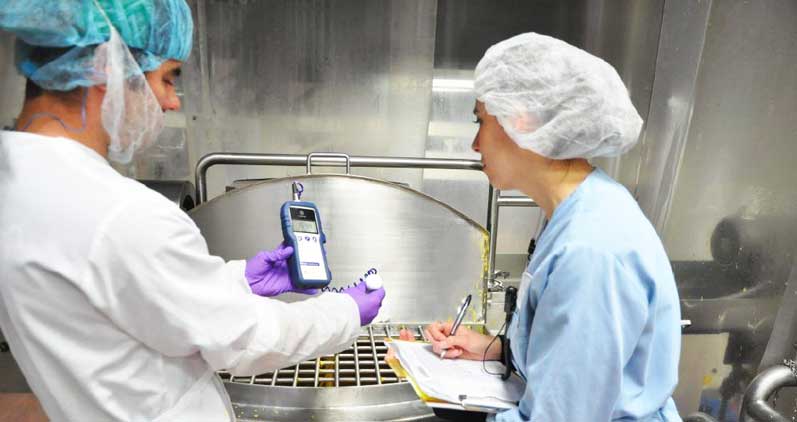
In the food industry, leaders must create and maintain a food safety culture that empowers teams to identify and respond to issues before they become serious problems. The most effective path toward this culture is through a risk mitigation mindset. Risk mitigation is the process of understanding certain risks and threats, accepting that they exist, […]
Read MoreTraining and Skills for a New Generation of Food Defense Experts

At a time when the world’s food supply remains fragile and unpredictable, a new generation of food defense professionals is emerging. Many food professionals are taking on this role for the first time or with limited experience. Others lack historical knowledge that left with colleagues during the great resignation. These employees might have experience with […]
Read MoreAdvance Your Food Safety Culture with a Stronger Sense of Purpose

Regulations are essential in protecting the quality of foods everywhere. But they can only go so far. Food safety can only truly be effective when it’s part of a mature food safety culture. Part of that culture involves understanding who is responsible for food safety and why it’s important. Some frontline workers might say it’s […]
Read MoreNew Customizable Food Safety Culture Training Program Drives Continuous Improvement and GFSI Compliance

Intertek Alchemy is excited to announce a new online food safety culture training program for food industry leaders that builds and maintains an informed culture coalition within their organizations. The unique solution includes GFSI-based food safety culture instruction, complimented with a best practice case study and a food safety culture gauge that provides custom action […]
Read MoreInternal Auditing Basic & Advanced Courses

When you look at it from the perspective of ISO 19011 – the guidelines for auditing management system – an internal audit can be defined as a systematic, independent, and documented process for obtaining audit evidence and evaluating it objectively to determine the extent to which the audit criteria is fulfilled. Put in layman’s terms – […]
Read MoreSeven Principles to Building a Successful HACCP Program

Hazard Analysis and Critical Control Points (HACCP) plans are the backbone of any food safety program. They prioritize and control potential hazards in food production for the entire food supply chain. HACCP dates back to the 1960s as a way of ensuring safe food for astronauts on active missions. Today HACCP processes are grounded everywhere and […]
Read MoreReinforce Food Defense with Managers, Supervisors and Frontline Employees

Most consumers are generally confident food manufacturers are taking every possible precaution to ensure the safety of the food they put on their tables. Inspections, regulations, and best practices can go a long way to keeping foods safe. But one of the biggest threats remains from within. Cases of intentional contamination by employees are more […]
Read MoreCompanies Turn to PCQI Trained Professionals to Lead Food Safety Efforts
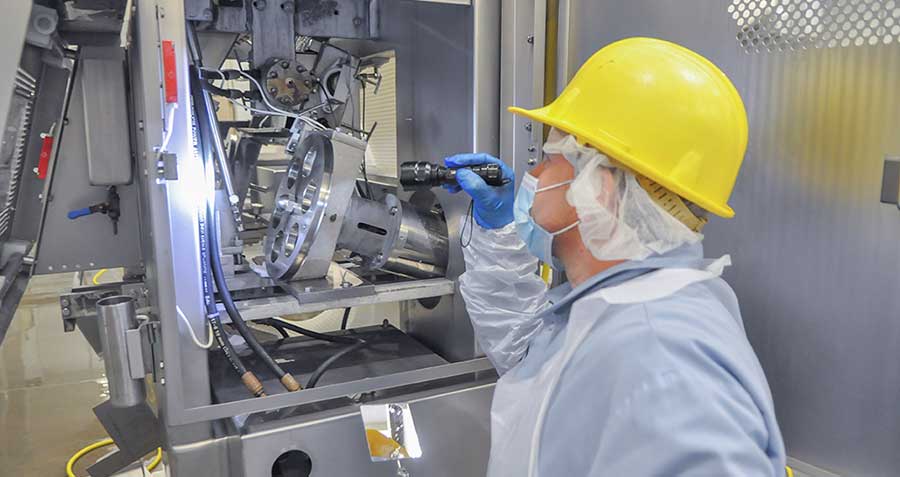
America benefits from one of the safest food sources in the world. But what does it take to keep it that way? At the end of the day, it all comes down to people, especially the Preventive Controls Qualified Individual (PCQI). The Food Safety Modernization Act (FSMA) created PCQI’s to establish a role that carries out […]
Read MoreFood Defense 101: The Three Types of Food Defense Threat Motivations
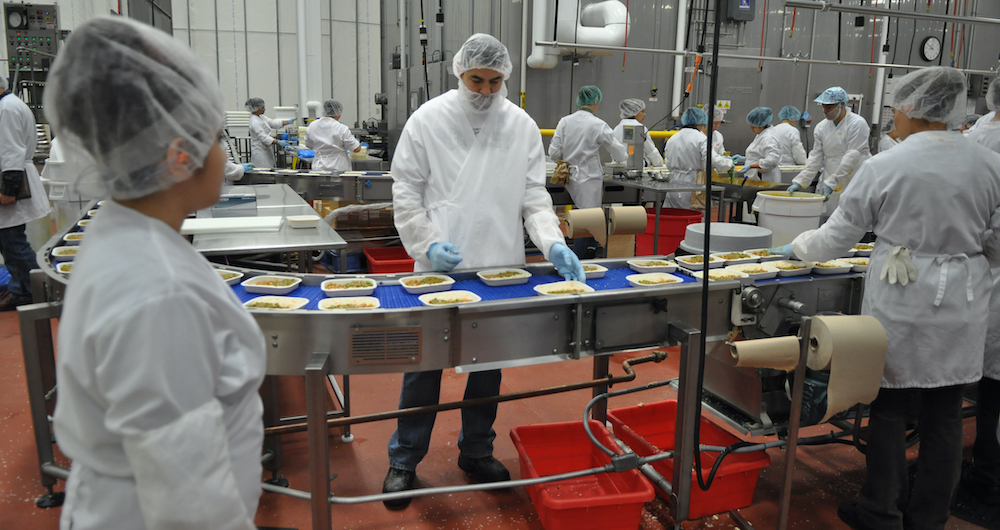
Intentional adulteration is only carried out after careful study and preparation by an attacker – is your food defense program equally prepared to address such acts? Motivation, capability, and vulnerability come together to compose food defense threats. Motivation often determines the adulterant and tactics that a perpetrator chooses to use. In addition to the threat […]
Read MoreSQF Substitute Practitioners Explained

Under the Safe Quality Food (SQF) Code, Edition 9, substitute practitioners are now a mandatory component of your organization’s regulatory compliance. According to 2.1.1.4, Part B of the new SQF Code , site managers must designate a primary and at least one substitute practitioner for every site. While some may already have these designations under […]
Read MoreHow to Meet Regulatory Requirements for HACCP

HACCP plans are the backbone of your food safety system. Built from the seven HACCP principles, these plans are mandated by regulatory bodies for the meat industry, the juice industry, and the seafood industry. In order to ensure a safe food supply and protect your brand, you’ll need to comply with both regulations and customer […]
Read MoreThe 5 Factors That Guide Effective Internal and External Audits

Audits play an integral role in the successful production or manufacturing of food and beverages at a fundamental level. Both internal and external audits serve as documented evidence that companies are performing due diligence to adequately protect their food from unsafe or unsecured practices, thereby safeguarding their consumers from potentially unsafe products. ISO 19011 defines […]
Read MoreYour Guide to Building an Effective OHS Program

Taking a proactive approach with an OHS program is crucial to prevention of incidents in your facility. Not sure where to begin? By following OSHA recommended safety practices it’s easy to break down the process into manageable stages. Keep reading to discover 4 steps to planning and implementing your introductory OHS program. The first step […]
Read MorePassover Prep: Special Kosher Certification Explained

In kosher production, there are special circumstances that warrant extra concerns and requirements. One of these is Passover. Passover spans eight days each spring and is one of the most widely celebrated Jewish holidays. During Passover, kosher consumers do not eat or possess any “chametz” or leavened grain (or its derivatives). Chametz refers to any […]
Read MoreThe Who, What, When and Why of PCQIs
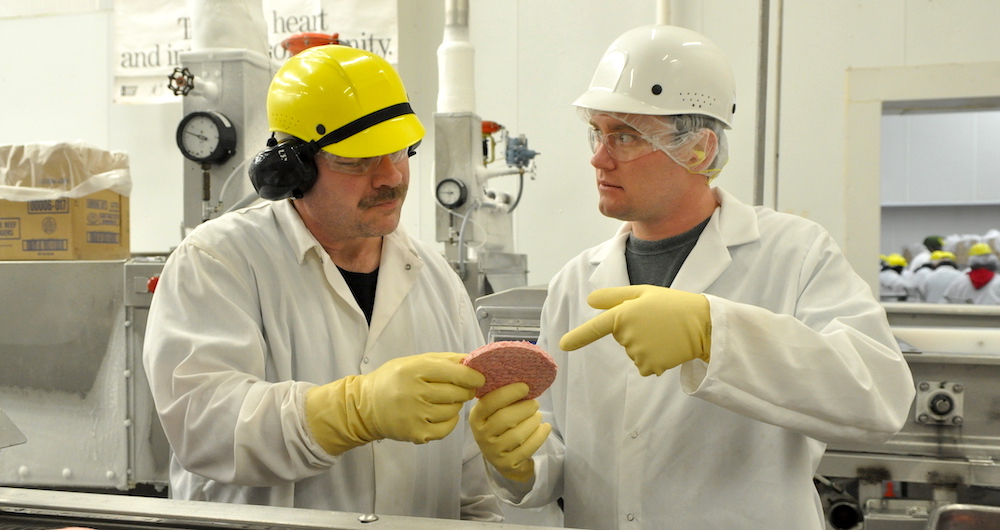
The Food Safety Modernization Act’s (FSMA) Preventive Controls for Human Food Rule ensures safe manufacturing, processing, packing, and holding of foods meant for human consumption in the US. Under this regulation, FSMA requires that a Preventive Controls Qualified Individual, or PCQI, develop and implement a site’s food safety plan. But what exactly is a PCQI, […]
Read MoreAddressing the 5 Dimensions of Food Safety Culture
Safety culture, more specifically food safety culture, has been a focus more and more in the workplace as a key factor in providing the best possible product for your consumers. According to the Global Food Safety Initiative, GFSI, “a company’s food safety culture is the shared values, norms, and beliefs that affect mindsets and behaviors toward […]
Read MoreSix Core Competencies of Leadership

How do you effectively lead a team in a time of relentless uncertainty? No matter your industry, we know times are difficult. Keeping on-site employees safe, making remote roles more productive, and coping with The Great Resignation feels like a never-ending struggle, but great leaders persist. In this blog, we’ll lay out six core competencies […]
Read MoreWhat is the Plan-Do-Check-Act (PDCA) Cycle?
PDCA stands for Plan Do Check Act. The PDCA cycle is a four-step quality management method used in business for the control and continuous improvement of processes and products. It’s also known as the Deming cycle, the Shewhart cycle, the control cycle, or PDSA (Plan Do Study Act). This cycle is helpful for beginning a […]
Read MoreFood Defense 101: Understanding Food Defense Roles and Stakeholders
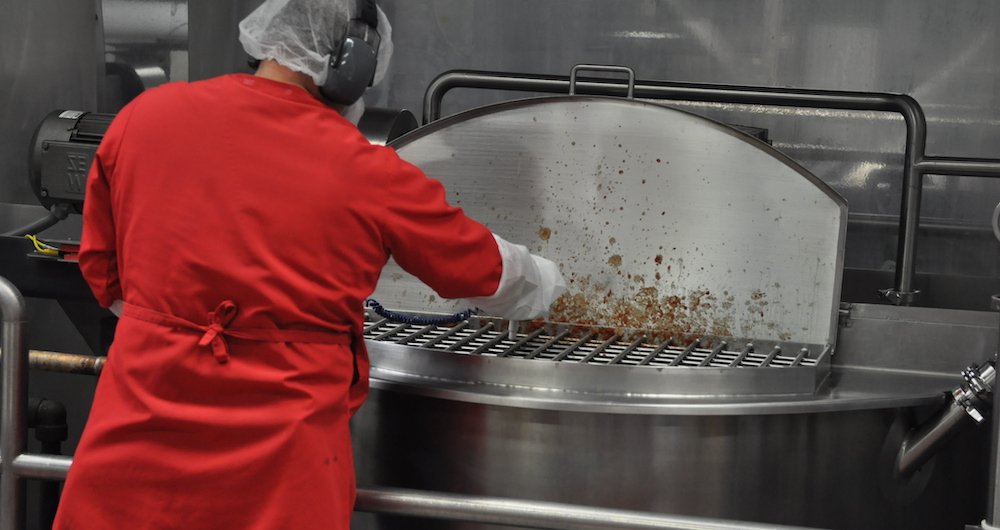
Different professionals from the public and private sectors contribute to food defense. Many of the familiar stakeholders involved in food safety incidents will be required in a food defense incident, but because intentional adulteration is a crime or an act of terror, additional groups will need to be engaged. When a food defense incident occurs, […]
Read MoreHow to Prepare for a Kosher Inspection by Department

So, you’ve chosen to pursue kosher certification. Your visit from the rabbi is looming, so what can you do to prepare for the kosher inspection? Each department must keep up with certain routine tasks to ensure that the facility is ready for a visit from the rabbi representing the kosher certification agency. To prepare for […]
Read MoreAllergen Management Tips for Food Manufacturers

Allergenic foods pose a serious safety risk to your consumers, causing sometimes life-threatening medical reactions when exposed. As the CDC continues to report a rise in food allergies across age demographics, successful allergen management is an integral piece of food manufacturing. Your company has an allergen control program to help prevent cross-contact between products that […]
Read MoreEnvironmental Sustainability Best Practices at Home and Work

Environmental sustainability is a team effort. When you incorporate environmental sustainability into your daily routine, whether at home or work, you’re not only helping the environment for future generations but you’re also saving money and promoting company efficiency. So, what can you do to practice environmental sustainability? You can practice environmental sustainability at home and […]
Read MoreFood Defense 101: Key Activity Types
Food processors who fall under the Intentional Adulteration Rule (IA Rule) must conduct a vulnerability assessment as part of their food defense plan. A vulnerability assessment measures potential public health impact (e.g. severity and scale), degree of physical access to the product, and the ability of an inside attacker to successfully adulterate your products. In […]
Read MoreWhat is Food Defense Risk Analysis?
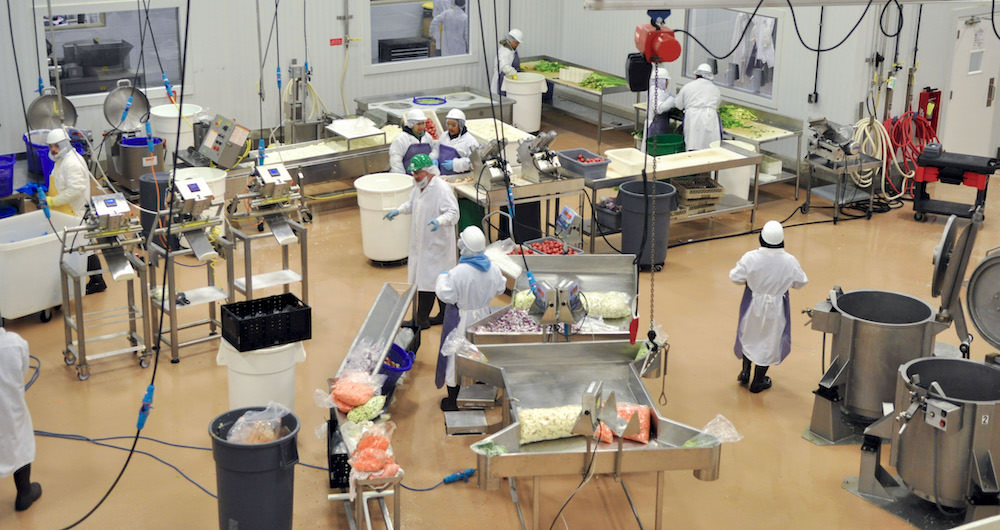
Risk analysis is a process that helps manufacturers identify and manage potential problems in their process or facility. A food defense risk analysis model has three components: risk assessment, risk management, and risk communication. Risk assessment refers to rating the severity and likelihood of a certain hazard or threat. Risk management refers to making decisions […]
Read MoreWhat Makes an Effective Internal Auditor?

Your internal audit is only as good as the people completing it. Thus, the individuals selected must have the industry qualifications and auditing experience necessary to perform an effective internal audit. We’ve broken down the benchmarks for well-trained, qualified internal auditors by personal attributes, knowledge and skills, as well as experience and training below, so […]
Read MoreHACCP vs HARPC: What’s the Difference?
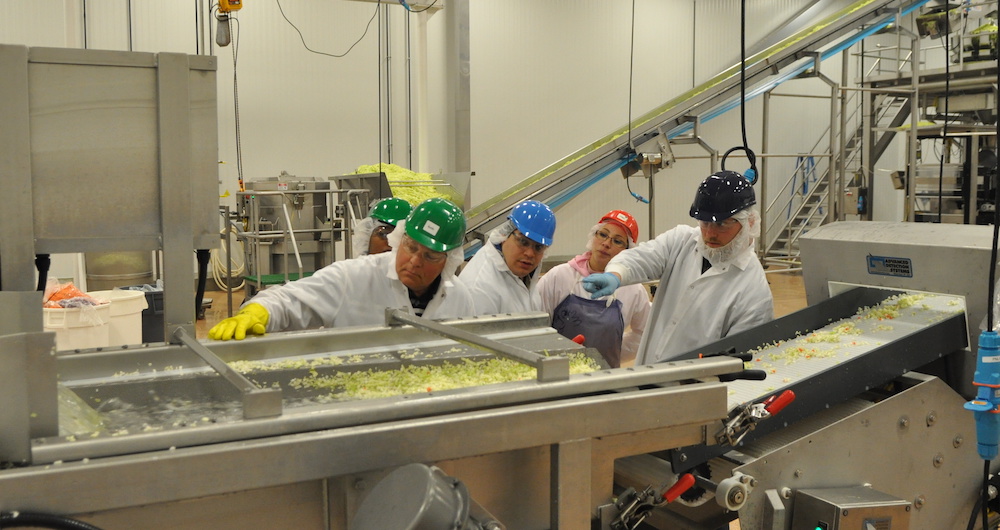
Confused about the difference between HACCP and HARPC? You’re not alone. Both stem from the Food Safety Modernization Act (FSMA), a robust food safety legislation act enacted in 2011. The ultimate goal of each is to proactively identify food safety problems in your facility and correct for each. HACCP and HARPC are often used interchangeably, […]
Read MorePrerequisite Program Examples for Your HACCP System
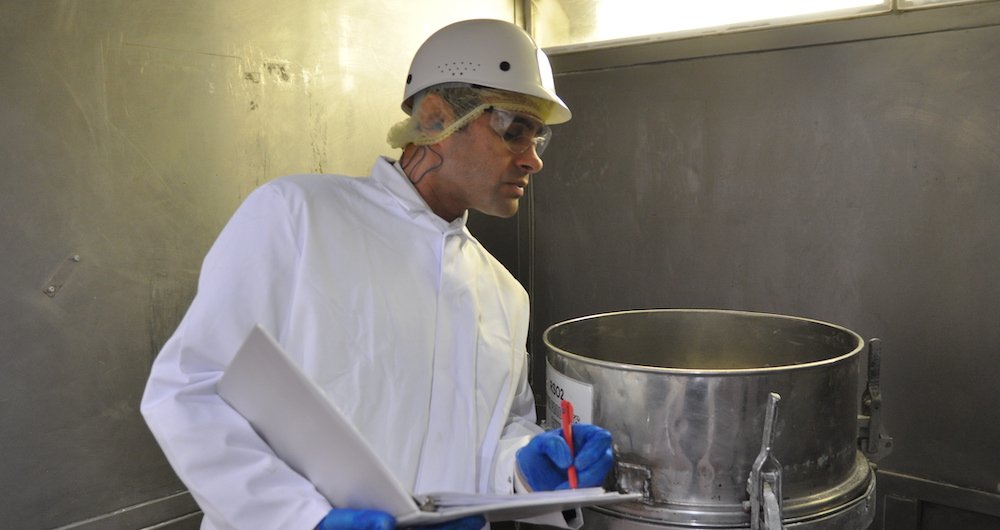
Prerequisite programs, or PRPs, are essential to the development of effective HACCP systems. In theory, PRP’s act as the foundation of this system – the stronger a facility’s foundation, the stronger its food safety plan. Thus, PRPs provide the basic environmental and operating conditions necessary to produce safe and wholesome food. The key is that […]
Read MoreContinuous Improvement: Understanding Success with Six Sigma

Continuous quality improvement is more of a philosophy than a process or system. It requires commitment from everyone in the business. Everyone from senior management to frontline workers must adopt a mindset of continuously looking for ways to improve processes and systems by making them efficient and effective. Unsustainable continuous improvement efforts are those that […]
Read MoreArming Your Employees to Prevent Food Fraud
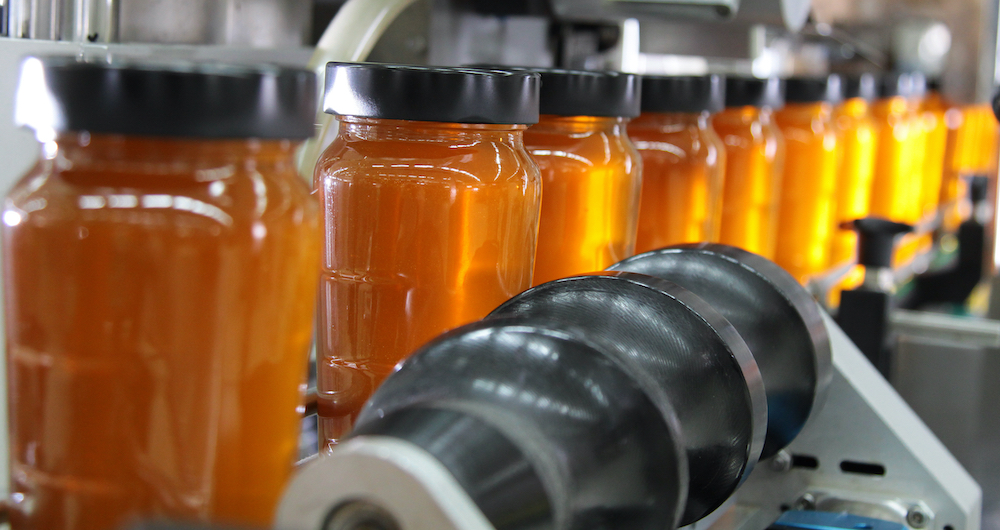
Food fraud is the deception of consumers using food products, ingredients and packaging for economic gain. Although food fraud has only recently received heightened attention, it’s been around a long time. In ancient Rome, lead was added to wine to make it taste sweeter. In the Middle East, spices were mixed with seeds, stones, or […]
Read MoreContinuous Improvement Processes: What is Lean Manufacturing?
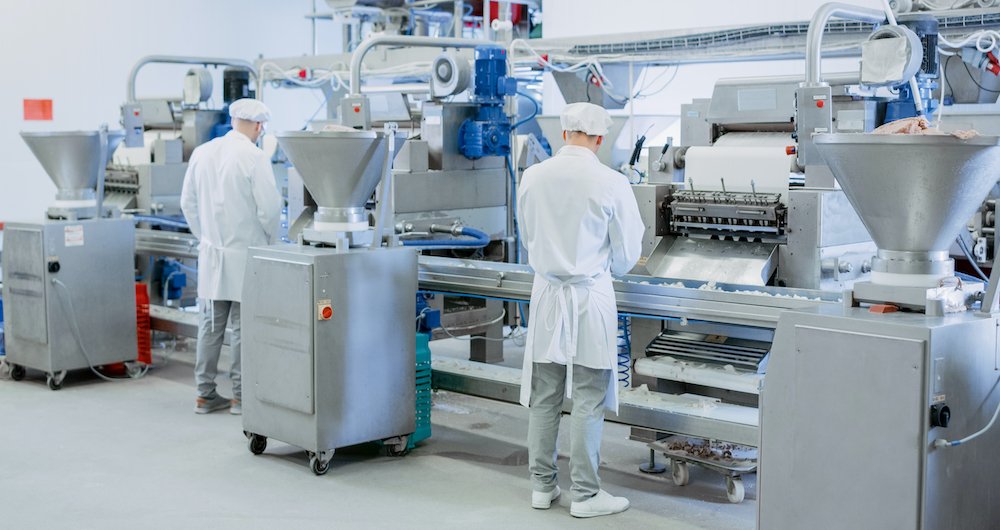
Continuous quality improvement is the ongoing process of raising the performance of an organization (and thereby improving products, services, people, and systems) to provide added value for consumers and a better working environment for employees. The continuous improvement process includes activities that may include but are not limited to internal or external reviews and/or assessments, […]
Read MoreGetting Guidance on FSSC 22000: Benefits & Purpose
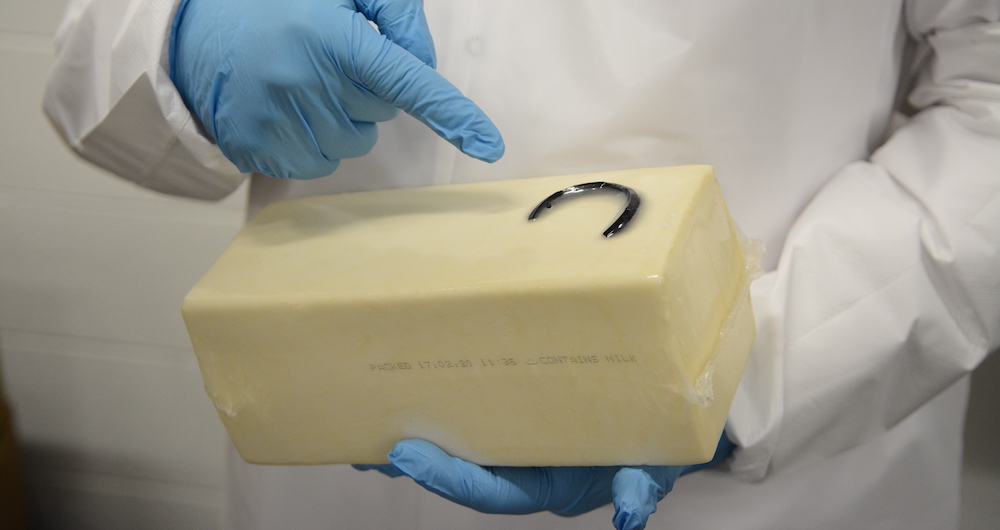
More and more, consumer become concerned about food safety. Incidents of foodborne illness and recalls are seemingly ubiquitous as supply chains globalize and controls struggle to keep up. Manufacturers must make efforts to address these vulnerabilities in their processes. One way to do so is to adopt a widely recognized food safety and quality standard, […]
Read More6 Quick Tips for Conducting Effective Internal Audits
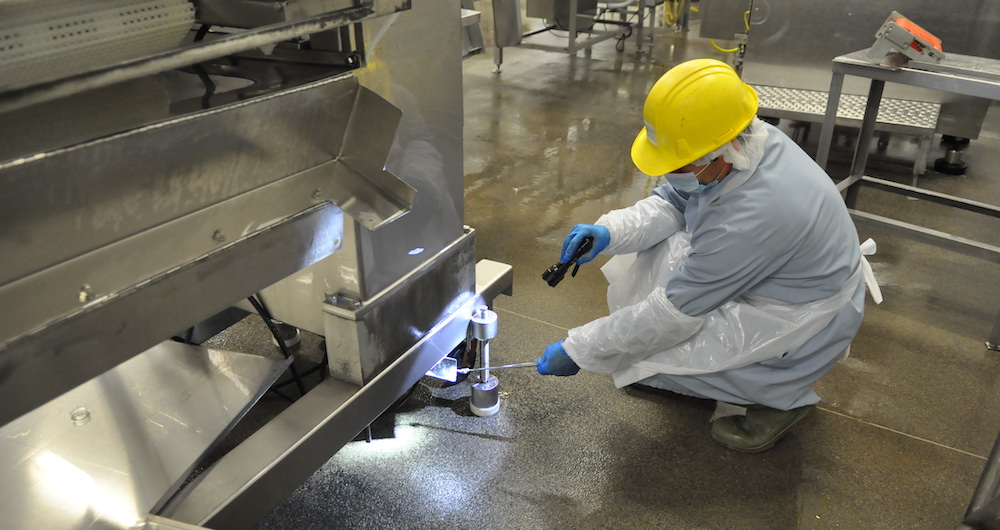
The best way to stay compliant is to conduct an internal audit. Below are Zosi’s tips for conducting an effective internal audit: Do what you say, say what you do. Then prove it! Have detailed monitoring activities. Verify those activities follow documented procedures. Validate programs are effectively controlling hazards Be tough on yourself. You know […]
Read MoreFDA-Recognized Food Allergens

Under the Food Allergen Labeling and Consumer Protection Act (FALCPA) the FDA recognizes the following food allergens in the US: Peanuts Tree Nuts including almonds, walnuts, and hazelnuts, among others Milk Eggs Wheat Soy Fish Crustacean Shellfish (crab, lobster, shrimp, etc.) Sesame With the signing of the Food Allergy Safety, Treatment, Education, and Research FASTER […]
Read MoreA Quick-Guide to Common Kosher Symbols

Whether you are a kosher food manufacturer or a kosher consumer, a basic understanding of kosher food labels is necessary to ensure the products you handle at work or home abide by kosher dietary laws. Certifying agencies use distinctive symbols to label kosher-certified foods. However, some additional universal designators help consumers immediately identify ingredients in […]
Read MoreImproving Risk Communication for Your Consumers

Food safety, both at home and at large, is an increasingly complex enterprise. These dynamic and multifaceted systems necessitate increased transparency in communicating food safety information to all parties from farm to fork. As food sources globalize and productions increase in scale, the potential for foodborne illnesses and the need for effective risk and crisis […]
Read MoreWelcome To the New Us

You may be thinking that Alchemy Academy looks a little different today, and you’re right. Today marks our official transition to Zosi, a completely redesigned and re-engineered brand and learning marketplace. Alchemy Academy has evolved into Zosi. We’ve updated our logo, typeface, colors, and imagery to better suit our new identity. Our brand takes inspiration […]
Read MoreCultural Sensitivity During Your Visit from the Rabbi

So, you’ve decided to include kosher foods in your production. You’ve studied guidelines, perfected processes, and even read our blog on what to expect during your kosher inspection, but there may be a missing piece of the puzzle. The rabbi who visits your facility will be an Orthodox Jew. Thus, it is critical to familiarize […]
Read MoreThe Case for Audits: Potential Pandemic Blind Spots

Much ink has been spilled detailing the impacts of COVID-19 on the food industry. News outlets, blogs, webinars, and more continue to relay stories about food processors overwhelmed with COVID-positive employees and grocery stores working around the clock to keep shelves stocked. With hospitals struggling to provide access to care, food safety is now perhaps […]
Read MoreFood Defense Qualified Individual: Everything You Need to Know
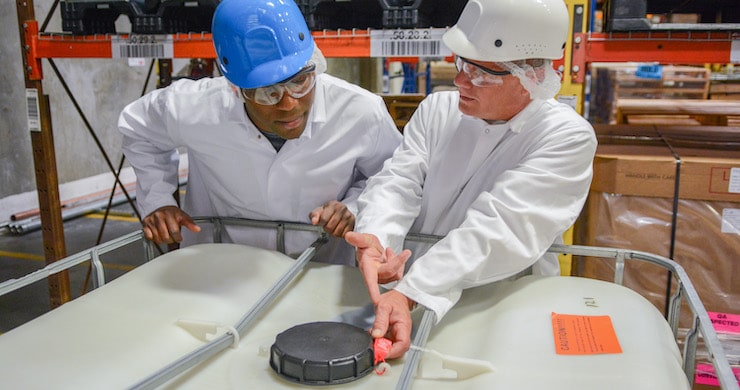
Under the Food Safety Modernization Act Mitigation Strategies to Protect Food Against Intentional Adulteration (21 CFR Part 121) regulation, commonly referred to as the IA Rule, covered facilities must develop and implement a food defense plan. The food defense plan protects their production’s actionable process steps from acts of intentional adulteration intended to cause wide-scale […]
Read MoreListeria Prevention: Best Practices for Avoiding and Responding to Contamination
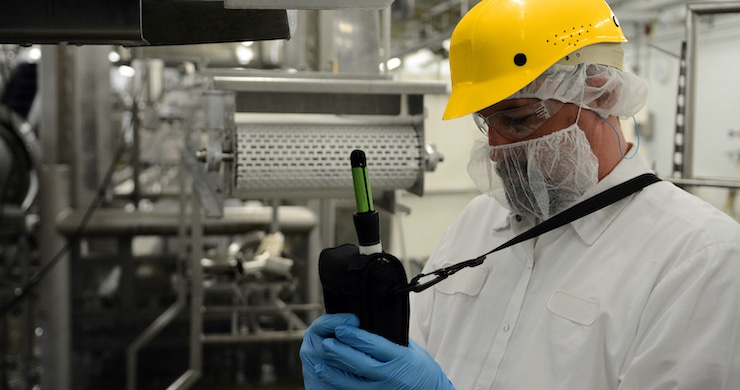
Food processors regulated by FDA must comply with The Food Safety Modernization Act’s Preventive Controls for Human foods regulation. This means performing a complete and thorough Hazard Analysis of the facility, ingredients, process, and products; defining necessary preventive controls for all identified hazards; drafting recall plans, and verifying as well as validating the implementation of […]
Read MoreHow to Improve Performance with Inclusive Leadership
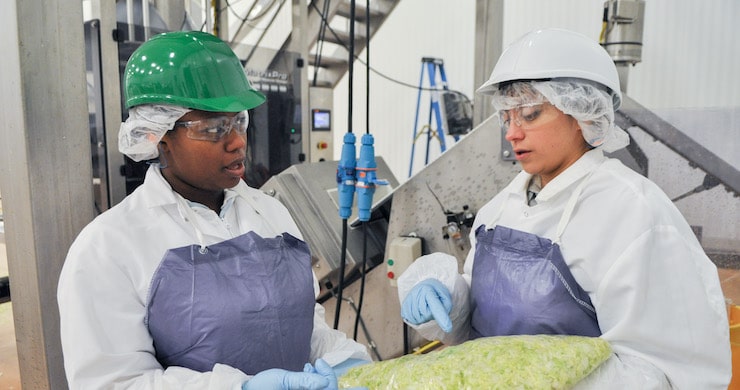
Diversity is all around us. Whether we’re on the processing floor or resigned to watching television in our living rooms, inclusivity has risen to the forefront of the world stage. As such, companies have come to depend on diverse voices and capabilities as they seek success and competitive advantage. But simply having culturally diverse members […]
Read MoreHow Do I Become an SQF Practitioner?
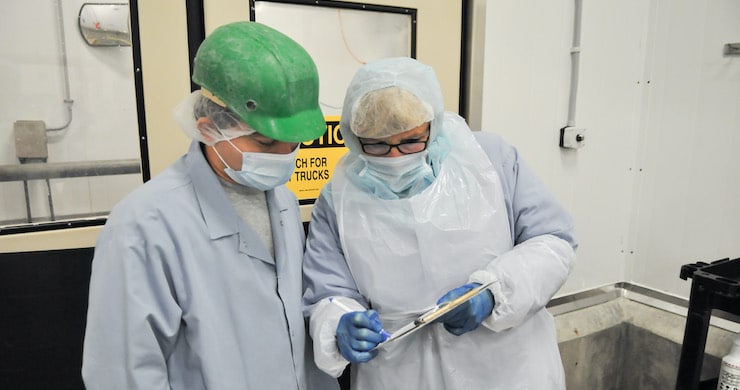
Under the Safe Quality Food (SQF) Code, every SQF-certified company must appoint an SQF Practitioner. Your company designated you their SQF Practitioner. But what does an SQF Practitioner do, and what are the requirements for becoming an SQF Practitioner? The SQF Practitioner is responsible for monitoring the development and maintenance of their facility’s SQF Program. […]
Read MoreHow to Meet HACCP Requirements for SQF

The Safe Quality Food Institute’s (SQFI) new code further bonds your SQF certification with Hazard Analysis Critical Control Points (HACCP) compliance. Does your team fully understand Edition 9 requirements? This blog will explore the relationship between the SQF Code, Edition 9 and HACCP and discuss the compliance requirements your site needs to meet for continued […]
Read MoreSQF Edition 9: 6 Key Changes for Food Manufacturing Professionals
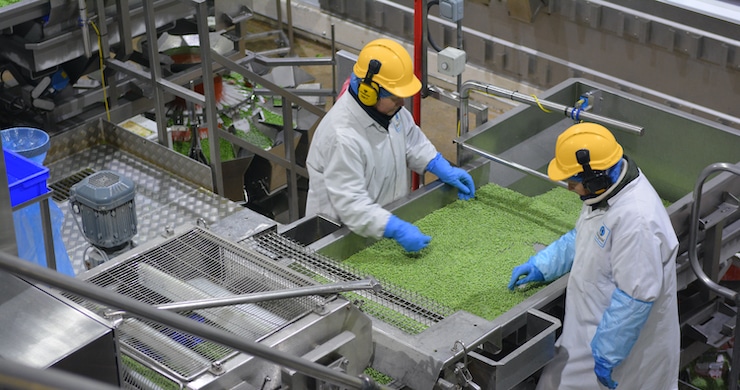
SQF Edition 9 is finally here! As facilities begin to implement the new code into their food manufacturing facility, it’s important to view this set of standards as an opportunity for continuous improvement. To begin your SQF System change management processes, consult this blog for an overview of the changes you’ll encounter within the new […]
Read MoreHow to Perform Effective Internal Audits

The best preparation for an external audit is perfecting your internal audit processes. While each facility’s procedures will be unique to its operation and products, you can apply the following internal audit process best practices to perform and evaluate effective assessments in your facility. With your audit schedule complete, it’s time to begin the internal […]
Read More5 Tactics for Stronger Regulatory Change Management
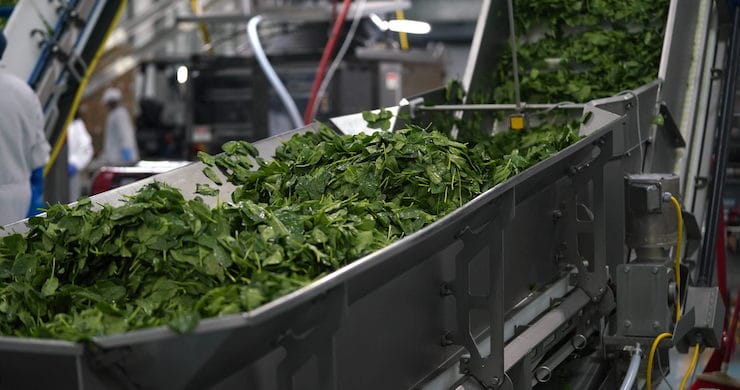
Beyond maintaining regulatory compliance, effective regulatory change management is critical to your food production and manufacturing business’s success and sustainability. Of course, the implementation process provides its own set of challenges depending on the company size, industry, breadth of regulatory guidelines, and so much more. However, companies can utilize an integrated approach to help plan, […]
Read MoreFive Core Benefits of PCQI Training
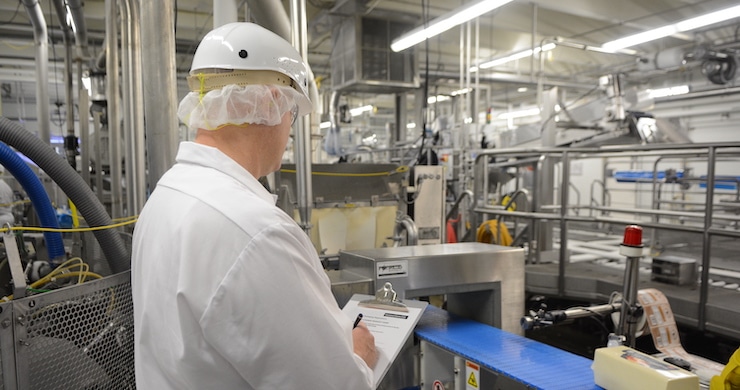
The Food Safety Modernization Act’s (FSMA) Preventive Controls for Human Food Rule requires every food manufacturing facility to employ a Preventive Controls Qualified Individual as part of their food safety team. This person is a key component to a company’s food safety program, carrying out specific, crucial responsibilities as dictated by the regulatory body. These […]
Read MoreEasy As P.I.E: The Keys to Kosher Beverage Production

What makes a beverage kosher? The answer begins with a discussion of where and how kosher production impacts your beverage plant. It may sound complicated at first, but we can sum up the basics of kosher production with the acronym P.I.E.: Process, Ingredients, and Equipment. This blog touches on the processes, ingredients, and equipment particular […]
Read MoreTackle Internal Audit Checklist for Food Safety Audits

If it’s not written down, it didn’t happen. Performing your due diligence is vital to your food safety audit process’s success and, in turn, successful production or manufacturing. Different methods exist for documenting inspection results and crafting an effective internal audit checklist. By exploring each, you’ll understand how to approach and prepare the documentation that […]
Read MoreWhat to Expect from a Kosher Inspection

Whether you’ve weighed the benefits of product diversification and have already entered the kosher food industry or you’re just getting your feet wet, you may find yourself curious about the steps to kosher certification. What can you expect from a formal inspection of your kosher program, and what can you do to prepare? This blog […]
Read MoreYour Guide to the Seven HACCP Principles
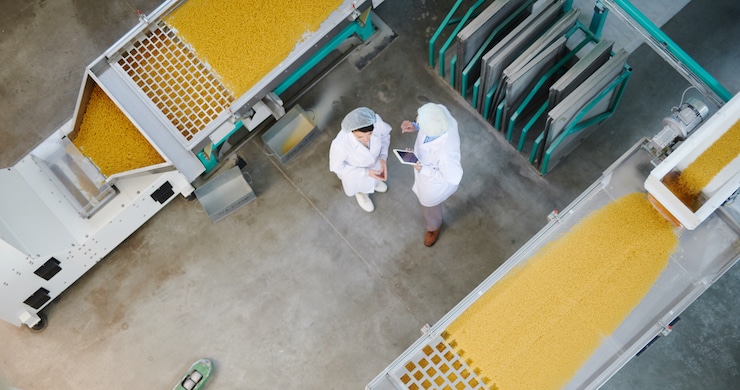
What is HACCP and where did it come from? HACCP, which stands for Hazard Analysis and Critical Control Point is a system that prioritizes and controls potential hazards in food production and its supply chain, arose around the 1960s. At this time, the National Aeronautics and Space Administration’s (NASA) needed a way to ensure safe […]
Read MoreCorrective Action Plans: Step Up Your Environmental Monitoring Program

Sound the alarm – your facility received a positive pathogen result, like listeria or salmonella. How can you address the issue? Are you prepared to eliminate the source and not just the symptoms? A corrective action plan allows you to detect and fix a problem that occurred during food production, including actions associated with a […]
Read MoreRecognize the Difference Between Food Defense and Food Safety
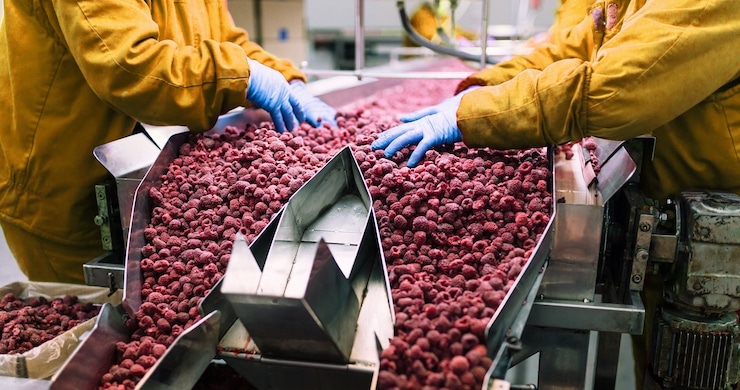
Can you spot the difference between food safety and food defense? While both have an important place in your facility, each presents distinct characteristics and consequences. Knowing the difference helps your team better protect the food and strengthens their contributions to your Food Defense Plan. Let’s take a closer look at food safety vs. food […]
Read More10 Steps to Jumpstart Your Occupational Health and Safety Program

Building an effective occupational health and safety program can sound intimidating at the start. Without it, you run the risk of illness, injury, and even death in your facility. With it, you help ensure the safety of both your employees and your financial assets. According to the Occupational Safety and Health Administration, you can set […]
Read MoreHow to Impress a Buyer with Your Food Safety Plan

After long months, you have carefully crafted a product you are certain customers will love; next is the ultimate goal: to see your product on store shelves or, better yet, featured on a menu. But how do you catch the eye of a buyer? A buyer’s concern beyond taste, appeal and marketability is the safety […]
Read MoreUse OSHA Best Practices to Prevent Chemical Catastrophe

Cue the stereotypical crime scene music. The toxicology is in. Oh, wait, the wrong kind? The National Institute of Environmental Health Services defines toxicology as a field of science that helps us understand the harmful effects that chemicals, substances, or situations, can have on people, animals, and the environment. In the workplace, toxicology relates to […]
Read MoreHow Root Cause Analysis Strengthens Your Production

Root Cause Analysis is a method used to find the source of a problem once a problem has already occurred. By identifying the underlying cause of any incident, you can further prevent future incidents from happening. Within Root Cause Analysis, two of the more common methods are the “5 Whys” method and the Ishikawa, or […]
Read MoreThe 5 Essential Steps to Creating Your EMP
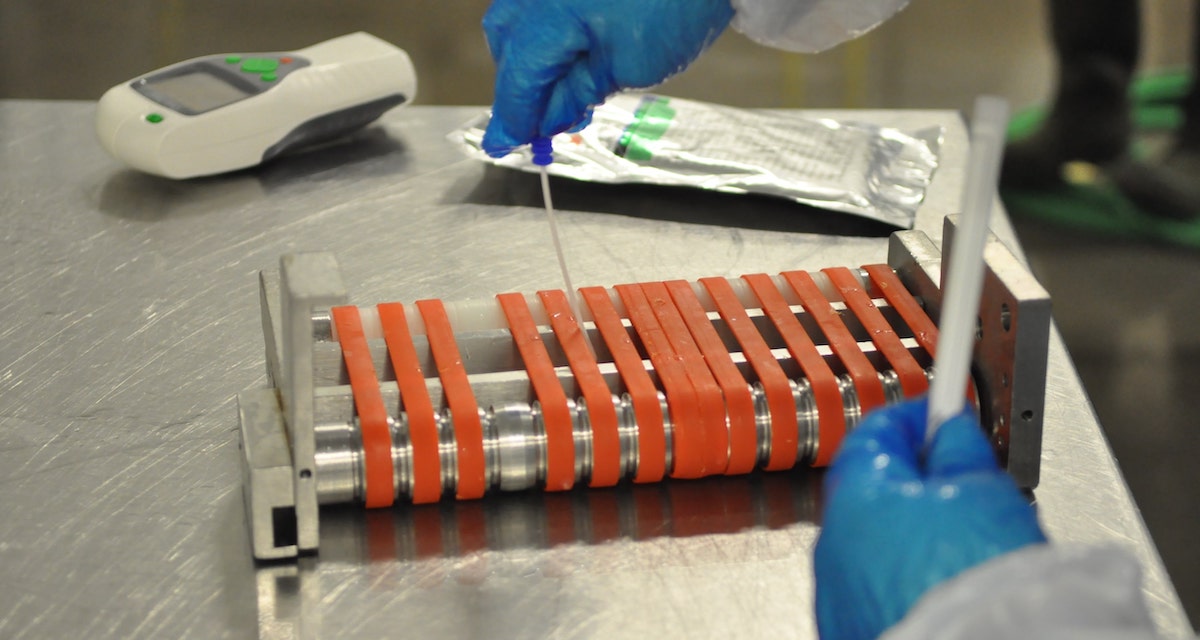
You don’t have to be in the food industry to be aware of recalls that happen, seemingly more and more. Every day people are aware of listeria and E. coli that might have never heard of it forty years ago. How do we protect our products and keep from having to recall? Environmental monitoring (EM) […]
Read MoreYour 5 Workers’ Rights Through OSHA
Even though worker injuries and fatalities have decreased, the food industry is statistically more likely to experience either of these. As a leader in your company, you can directly affect the safety of everyone in your facility. Keeping your employees safe and helping them be aware of their rights can help you build a stronger […]
Read MoreYour Defense Against Intentional Adulteration
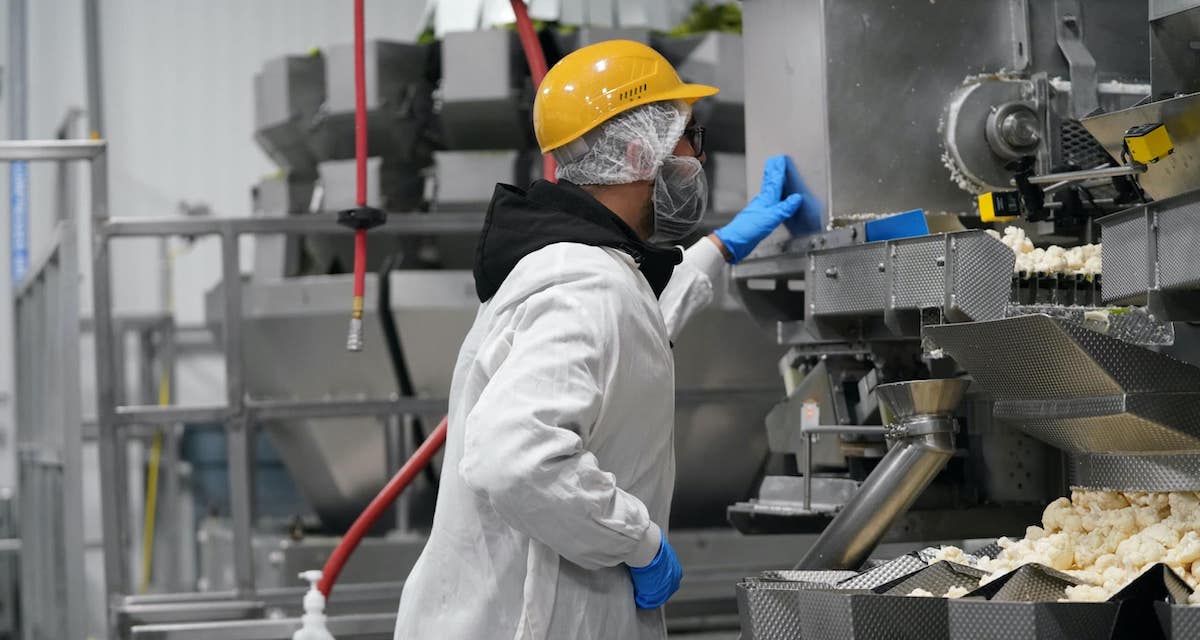
The idea of contaminated food brings up images of court jesters doing taste tests to make sure that kings and queens aren’t poisoned. Stories of intentional adulteration go back hundreds of years. People have to eat, and some people have hateful intentions. So, what can we do to keep these people from succeeding? It’s no […]
Read More7 Steps to Effective Sanitation
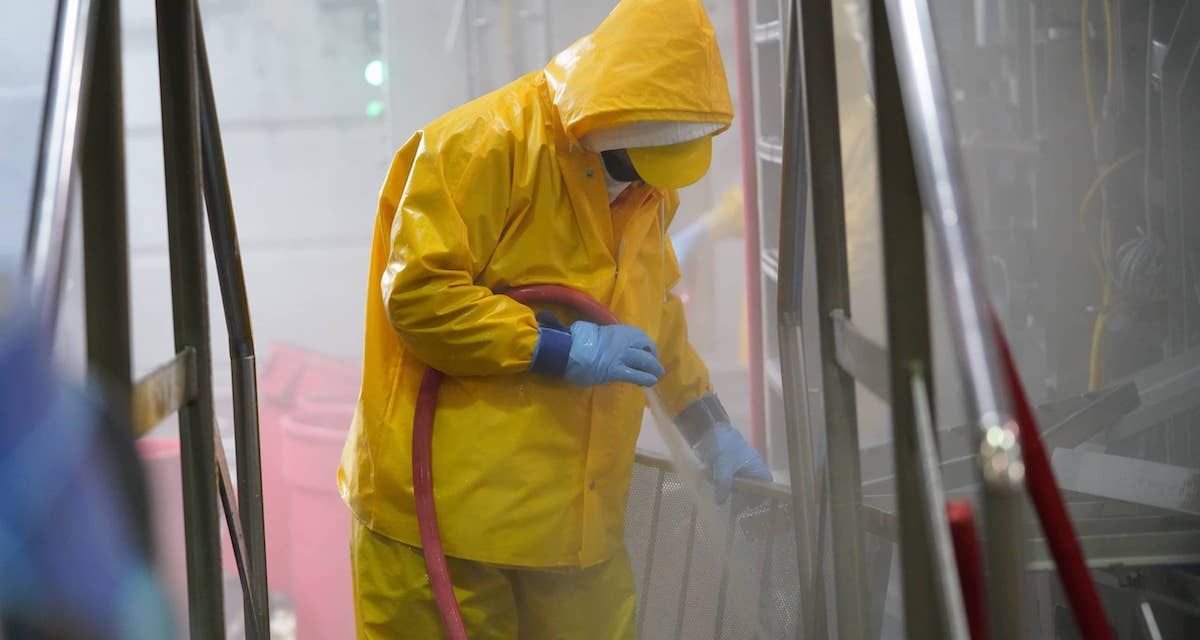
As human beings, we all feel a need for cleanliness, hygiene, and sanitation when it comes to our food preparation. That’s all sanitation is, right? Just a large-scale version of what we do to keep a tidy kitchen. In fact, sanitation is much more involved than scrubbing dishes in the sink or wiping down a […]
Read MoreWhat Kosher Means to Your Facility
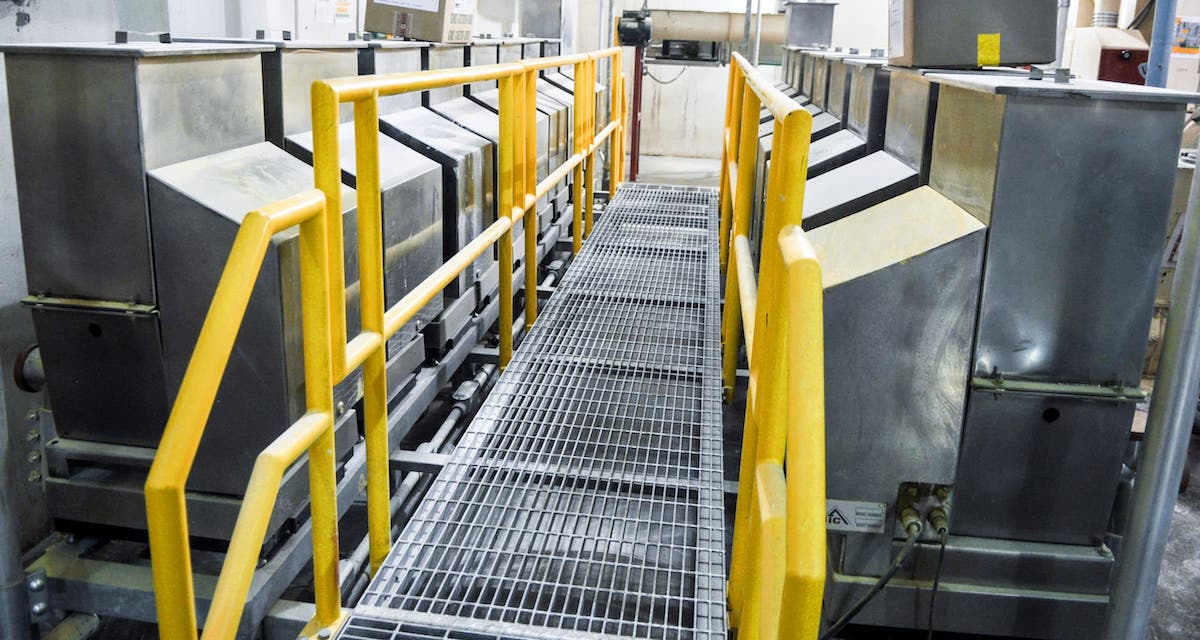
While the word “kosher” has entered mainstream culture references, kosher food production demands strict adherence to a set of religious rules. You may have a general awareness of some of the requirements for what makes something kosher, but kosher certification requirements are rigorously detailed. Kosher manufacturing may seem intimidating, but the unique kosher market has […]
Read MoreHow to Avoid Top Audit Non-Conformances

In the food production industry, the Global Food Safety Initiative, or GFSI, performs audits that act as unbiased, independent evaluations of food safety and quality systems. This reassures the public that the source of their food is looking out for their best interests and trying to avoid product recalls. Audits provide brief snapshots in time […]
Read MoreTaking Control of Your HACCP System
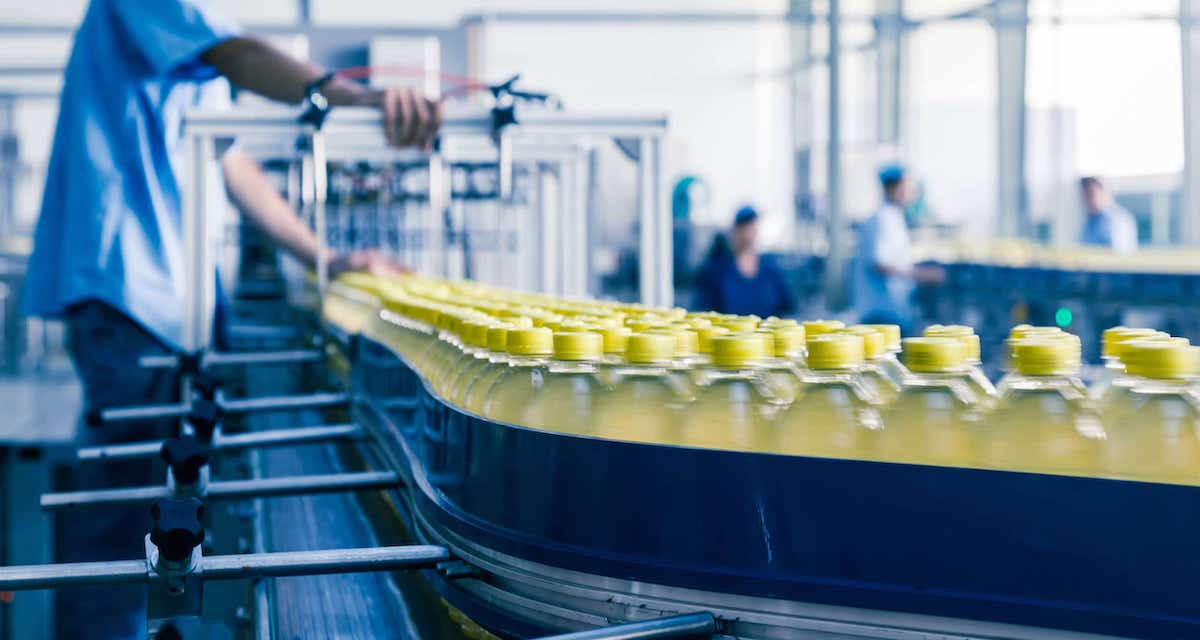
Implementing a HACCP System requires that both Prerequisite Programs and HACCP Plans are implemented. Prerequisite programs are programs that are put in place in the facility to control hazards in the environment, preventing contamination of the product. Many factors are taken into account to successfully produce safe and wholesome food. Governmental regulations guide implementation of […]
Read MoreHow to Protect Your Consumers from Allergens

Governmental regulations, such as the Food Safety Modernization Act (FSMA), have drastically impacted how food producers perform allergen control. Activities that were formerly merely suggestions are now compulsory in order to minimize the risk of allergens in food products. Food allergen preventive controls are both essential and beneficial to your bottom line. With increased allergen […]
Read MoreInternal Audits: The “Write” Stuff

When preparing for external audits, the best preparation is your internal audit system. While many non-conformances may seem out of your control, you can easily manage the documentation behind your internal audit system and strengthen your results. Of course, your process is dependent upon your facility, but some documentation practices are better than others. Explore […]
Read More5 Ways to Support Your Employees

With the continual increase of handheld technology, it’s only natural to assume that there would be a similar increase in the ability to communicate with others. Time and again, however, we’re reminded that even with an influx of input, that’s not always the case. Tools that were built to improve our capacity to communicate have […]
Read More